

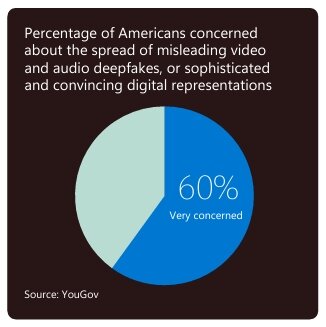
AI-generated deepfakes are realistic, easy for nearly anyone to make, and increasingly being used for fraud, abuse, and manipulation — especially to target kids and seniors. While the tech sector and non-profit groups have taken recent steps to address this problem, it has become apparent that our laws will also need to evolve to combat deepfake fraud. In short, we need new laws to help stop bad actors from using deepfakes to defraud seniors or abuse children.
While we and others have rightfully been focused on deepfakes used in election interference, the broad role they play in these other types of crime and abuse needs equal attention. Fortunately, members of Congress have proposed a range of legislation that would go a long way toward addressing the issue, the Administration is focused on the problem, groups like AARP and NCMEC are deeply involved in shaping the discussion, and industry has worked together and built a strong foundation in adjacent areas that can be applied here.
One of the most important things the U.S. can do is pass a comprehensive deepfake fraud statute to prevent cybercriminals from using this technology to steal from everyday Americans.
We don’t have all the solutions or perfect ones, but we want to contribute to and accelerate action. That’s why today we’re publishing 42 pages on what’s grounded us in understanding the challenge as well as a comprehensive set of ideas including endorsements for the hard work and policies of others.


